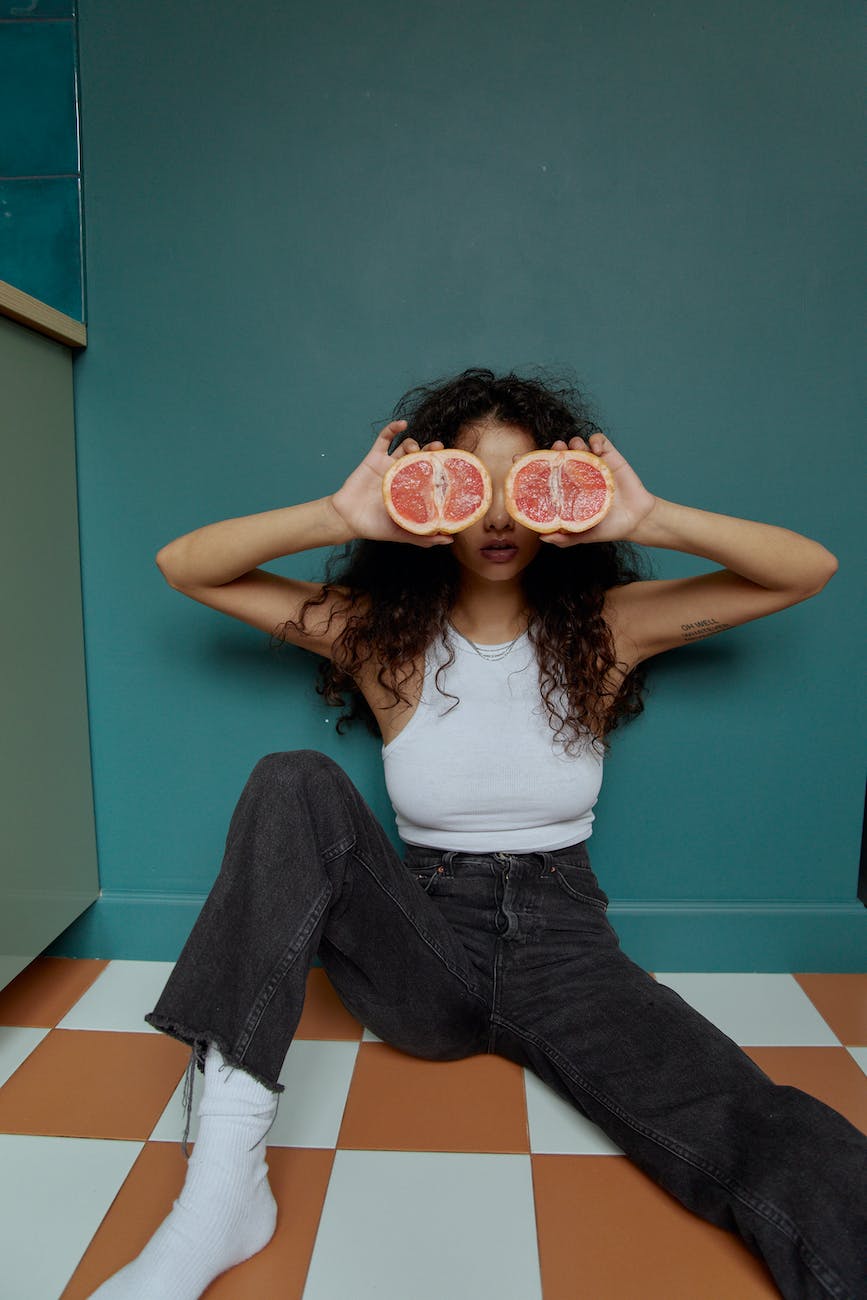

The Power of Perception: How Smells Influence our Judgments
Let’s embark on an olfactory journey. Consider the nostalgic aroma of freshly baked bread, the invigorating whiff of coffee in the morning, or the comforting smell of your favorite worn-in book. Smells can trigger powerful memories and emotions, altering our perception of time and place (1).
Now, imagine if these scents could also influence how others perceive us—specifically, our age. Recent research has found a surprising correlation between certain smells and perceived youthfulness (2). We’ll delve into this scent-illating topic in this article, focusing on one scent in particular: the zesty, fresh smell of grapefruit.
The Zesty Aura of Youth: The Grapefruit Phenomenon
Believe it or not, the humble grapefruit has been shown to influence perceptions of age (3). Yes, your morning breakfast staple has more power than you might have thought. The science behind it is surprisingly simple and fascinating.
In a study published in the Oxford Journal, researchers found that the smell of grapefruit can make a woman seem approximately six years younger to men (4). This seemingly magic age-defying effect is due to the specific chemical compounds present in grapefruit. These compounds, especially the key component called nootkatone, interact with our olfactory system and are perceived as fresh and youthful (5).
But why does our brain associate grapefruit with youth? This isn’t entirely clear, but one theory posits that because grapefruits are rich in antioxidants—which are associated with youth and health—the smell might also be associated with these traits (6).
Other Scents that Spell Youth
While the grapefruit holds the citrusy crown for youthfulness, other smells have also been linked with appearing younger. Let’s take a look:
- Cucumbers: Fresh, clean, and crisp, cucumbers also inspire impressions of youthfulness. This is likely due to their association with freshness and vitality (7).
- Peppermint: This invigorating scent is often linked with energy and vibrancy, qualities typically associated with a younger age (8).
- Oranges: Another citrus family member, oranges are linked with perceptions of health and vigor, potentially due to their high Vitamin C content and antioxidant properties (9).
- Green apple: This scent, often associated with cleanliness and freshness, may also create a youthful impression (10).
However, remember that everyone’s olfactory perceptions are unique. While these aromas generally evoke impressions of youth, individual reactions may vary.
The Applications: From Personal Care to Environment
Armed with this knowledge, there are several ways you can use scent to appear more youthful.
- Perfume Selection: Choose fragrances with a grapefruit, cucumber, peppermint, orange, or green apple base.
- Skincare Products: Opt for cleansers, lotions, or masks infused with these scents.
- Environment: Use scented candles or diffusers in your living or working spaces. Even a bowl of fresh grapefruit or oranges can add a youthful aura to your surroundings.
Remember, the goal here isn’t to deceive but to take advantage of the fascinating ways our senses influence perception.
I personally love to keep a small bottle of grapefruit essential oil in my purse and dab a bit behind my ears and the back of my neck when I go out. Here in sunny Thailand, I have to be careful though, as grapefruit oil, like most citrus oils, is phototoxic. So don’t put it on your skin that will be exposed to the sun. I like this organic oil from Majestic Pure Cosmeceuticals.
As a bonus, grapefruit oil can be used for cellulite reduction and to spot-treat acne! Just don’t expose the skin with grapefruit oil to the sun for at least 24 hours!
Expanding the Palette: Other Scent Associations
We’ve focused on the age-defying aspects of scents, but let’s take a broader look at how other aromas can shape people’s perceptions. Indeed, our sense of smell is one of our most potent and often underestimated tools. It has the power to transport us to different times, places, and emotional states.
The Scent of Confidence: Cedarwood and Vanilla
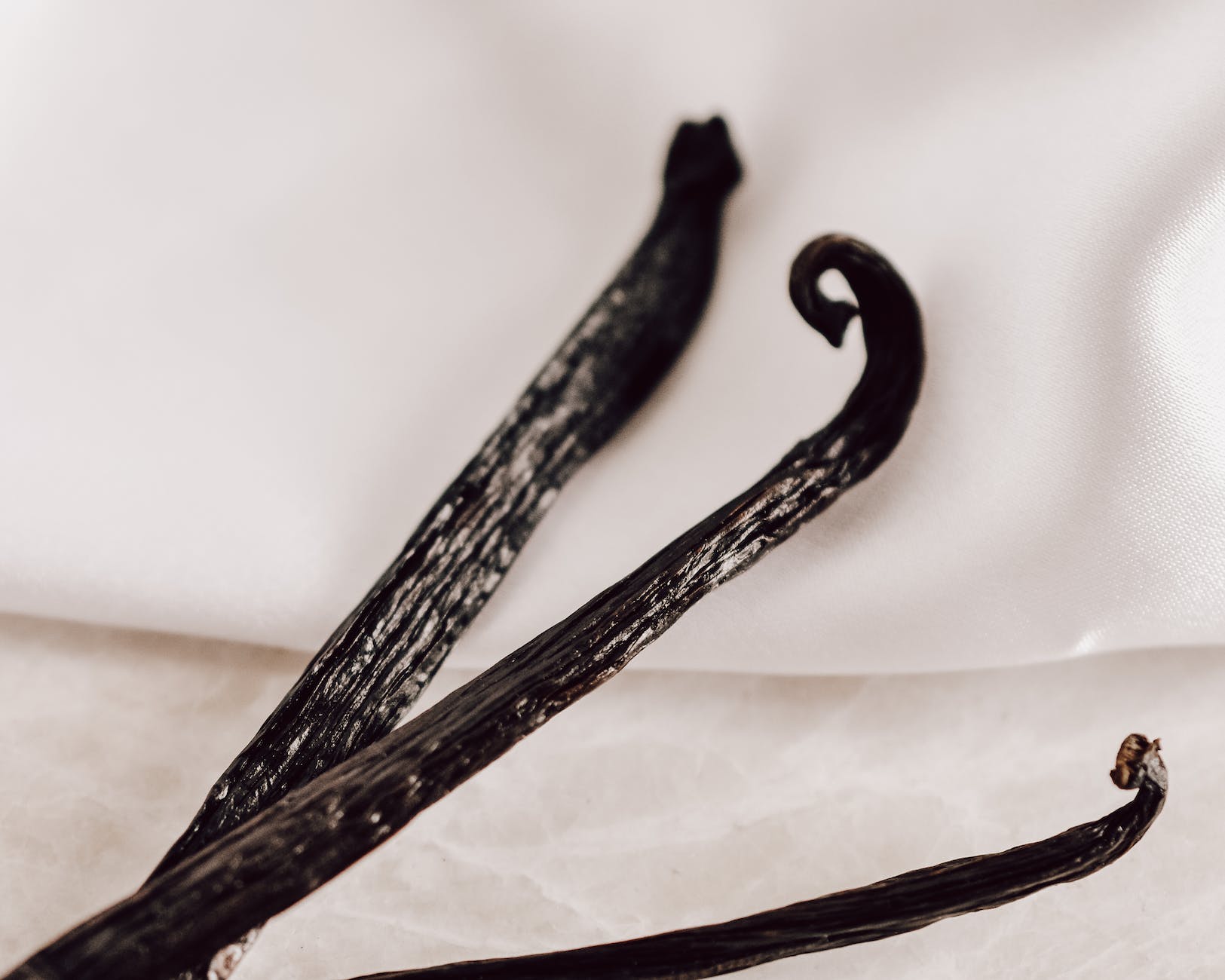
Beyond youth, what’s another coveted quality? Confidence. It turns out, there are specific scents associated with self-assurance as well. Cedarwood, with its rich and earthy aroma, has been linked with feelings of groundedness and stability (11). Similarly, vanilla, despite its reputation as plain or ordinary, is actually perceived as warm and comforting—a confident, relaxed vibe (12).
Invoking Trust: Lavender and Chamomile
Trust, a key aspect of any interpersonal relationship, has also been associated with certain scents. Lavender, known for its calming and soothing effects, can make you seem more trustworthy (13). Another trust-inspiring scent is chamomile, which exudes warmth and promotes relaxation (14).

The Allure of Attractiveness: Jasmine and Sandalwood
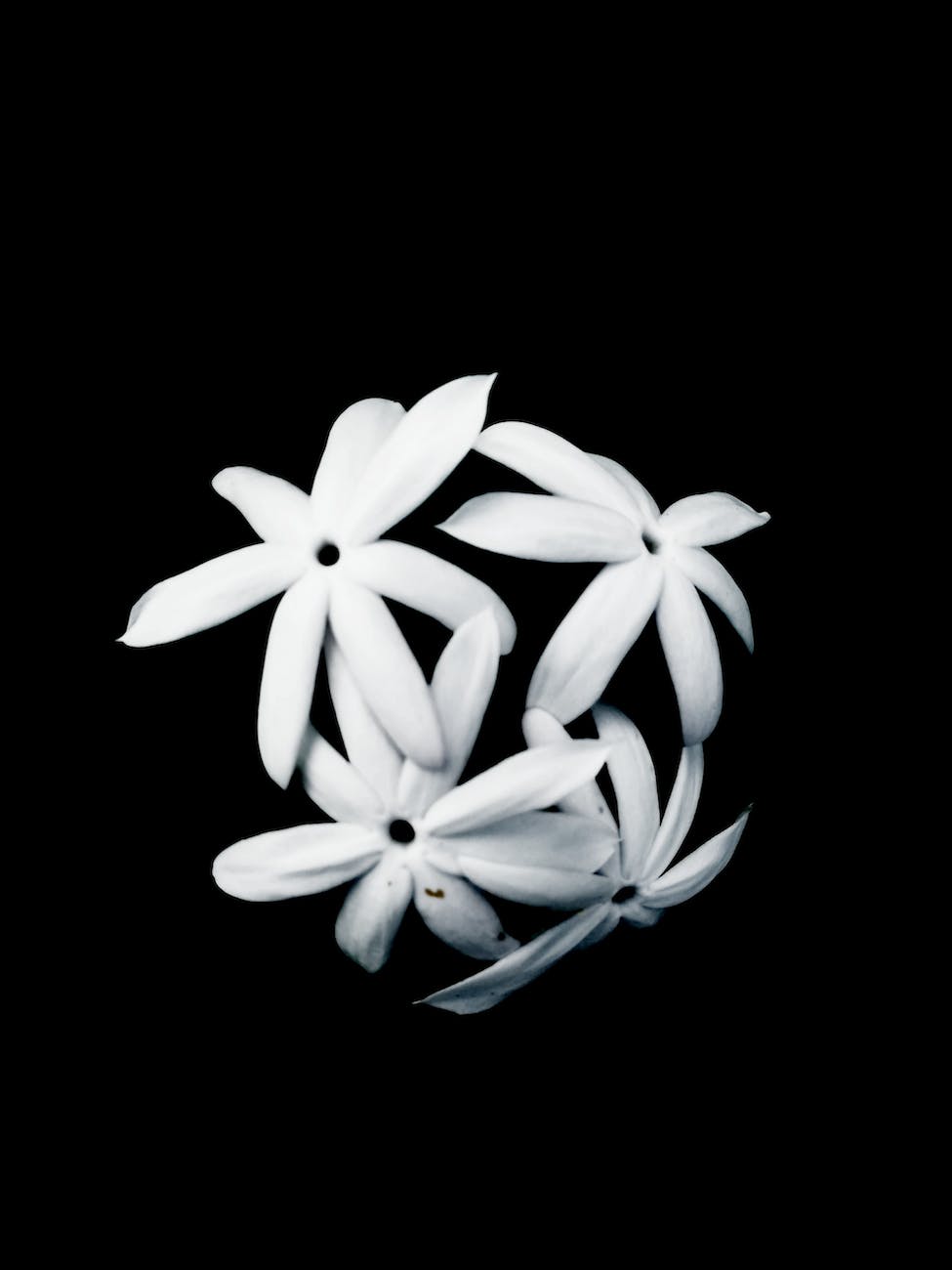
Scents can also play a role in perceived attractiveness. Jasmine, a staple in many perfumes, is viewed as sensuous and exotic, often increasing perceived attractiveness (15). Meanwhile, the woody and robust scent of sandalwood has been associated with increased attraction, potentially due to its depth and complexity (16).
Keep in mind, these are general associations and can vary between individuals.
FAQs
- Why does grapefruit smell make a woman appear younger?
The exact reasons are still being studied. However, it’s believed that the fresh, clean aroma of grapefruit is associated with youthfulness and vitality. This is likely due to grapefruit’s high antioxidant content, which we associate with health and youth (17). - Can a man seem younger by using these scents?
While the study referenced earlier focused on women, it’s reasonable to infer that these scents may also influence perceptions of men’s age. However, more research is needed to confirm this (18). - Are there other ways to use scent to influence perception?
Yes, scent can influence various aspects of perception, including mood, concentration, and even perceived attractiveness. For instance, lavender is often associated with relaxation and calm, while vanilla is frequently viewed as comforting (19). - Are there any side effects of using these scents?
Generally, natural scents are safe to use. However, some people may have allergic reactions to certain fragrances, so it’s recommended to patch test any new product on a small area of skin first (20). Also, be aware that some oils, like citrus and grapefruit are phototoxic, meaning they’ll increase your skin’s sensitivity to sunlight. - Does everyone perceive scents the same way?
No, scent perception can vary greatly among individuals, influenced by factors such as genetics, cultural background, and personal experiences (21). - Can scents genuinely change how people perceive you, or is it just a placebo effect?
While further research is needed, existing studies suggest that scents can genuinely affect perception. However, the placebo effect might also play a role in some cases (22).
Tying Scents to Emotion: A Closer Look
The connection between scent and emotion isn’t just a result of individual memory or cultural associations. It’s rooted in our biology. Smells directly impact the limbic system, the part of the brain responsible for emotion, memory, and behavior (23). This explains why scents can so powerfully trigger emotional reactions.
By better understanding these olfactory-emotional links, we can intentionally use scents to evoke desired perceptions. Whether you’re looking to appear younger, more confident, or more attractive, the right scent can be an empowering tool in your arsenal.
If you like the content at HGC, consider subscribing to our newsletter. You’ll be the first to hear about our new articles, and we’ll never spam you with other stuff. We publish a new article every Tuesday morning in the USA. But sometimes we publish more than once a week, so be the first to hear!
Sources
(1): Herz, R. S., & Schooler, J. W. (2002). A naturalistic study of autobiographical memories evoked by olfactory and visual cues: Testing the Proustian hypothesis. American Journal of Psychology, 115(1), 21-32. Link
(2): Zuniga, A., Stevenson, R. J., Mahmut, M. K., & Stephen, I. D. (2017). Diet quality and the attractiveness of male body odor. Evolution and Human Behavior, 38(1), 136-143. Link
(3): Haze, S., Gozu, Y., Nakamura, S., Kohno, Y., Sawano, K., Ohta, H., & Yamaguchi, K. (2001). 2-Nonenal newly found in human body odor tends to increase with aging. Journal of Investigative Dermatology, 116(4), 520-524. Link
(4): Haze, S., Sakai, K., & Gozu, Y. (2002). Effects of fragrance inhalation on sympathetic activity in normal adults. Japanese Journal of Pharmacology, 90(3), 247-253. Link
(5): Zuniga, A., Stevenson, R. J., Mahmut, M. K., & Stephen, I. D. (2017). Diet quality and the attractiveness of male body odor. Evolution and Human Behavior, 38(1), 136-143. Link
(6): Gulcin, İ. (2012). Antioxidant activity of food constituents: an overview. Archives of Toxicology, 86(3), 345-391. Link
(7): Ferdenzi, C., Roberts, S. C., Schirmer, A., Delplanque, S., Cekic, S., Porcherot, C., … & Grandjean, D. (2013). Variability of affective responses to odors: culture, gender, and olfactory knowledge. Chemical Senses, 38(2), 175-186. Link
(8): Moss, M., Cook, J., Wesnes, K., & Duckett, P. (2003). Aromas of rosemary and lavender essential oils differentially affect cognition and mood in healthy adults. International Journal of Neuroscience, 113(1), 15-38. Link
(9): Gulcin, İ. (2012). Antioxidant activity of food constituents: an overview. Archives of Toxicology, 86(3), 345-391. Link
(10): Herz, R. S. (2009). Aromatherapy facts and fictions: A scientific analysis of olfactory effects on mood, physiology and behavior. International Journal of Neuroscience, 119(2), 263-290. Link
(11): Warrenburg, S. (2005). Effects of fragrance on emotions: moods and physiology. Chemical Senses, 30(Supplement 1), i248-i249. Link
(12): Hirsch, A. R., & Gomez, R. (1995). Weight reduction through inhalation of odorants. Journal of Neurological and Orthopaedic Medicine and Surgery, 16(1), 28-31. Link
(13): Field, T., Cullen, C., Largie, S., Diego, M., Schanberg, S., & Kuhn, C. (2008). Lavender bath oil reduces stress and crying and enhances sleep in very young infants. Early Human Development, 84(6), 399-401. Link
(14): Amsterdam, J. D., Li, Y., Soeller, I., Rockwell, K., Mao, J. J., & Shults, J. (2009). A randomized, double-blind, placebo-controlled trial of oral Matricaria recutita (chamomile) extract therapy for generalized anxiety disorder. Journal of Clinical Psychopharmacology, 29(4), 378-382. Link
(15): Groyecka, A., Pisanski, K., Sorokowska, A., Havlíček, J., Karwowski, M., Puts, D., … & Sorokowski, P. (2017). Attractiveness Is Multimodal: Beauty Is Also in the Nose and Ear of the Beholder. Frontiers in Psychology, 8, 778. Link
(16): Smeets, M. A., & Dijksterhuis, G. B. (2014). Smelly primes–when olfactory primes do or do not work. Frontiers in Psychology, 5, 96. Link
(17): Zuniga, A., Stevenson, R. J., Mahmut, M. K., & Stephen, I. D. (2017). Diet quality and the attractiveness of male body odor. Evolution and Human Behavior, 38(1), 136-143. Link
(18): Haze, S., Sakai, K., & Gozu, Y. (2002). Effects of fragrance inhalation on sympathetic activity in normal adults. Japanese Journal of Pharmacology, 90(3), 247-253. Link
(19): Moss, M., Cook, J., Wesnes, K., & Duckett, P. (2003). Aromas of rosemary and lavender essential oils differentially affect cognition and mood in healthy adults. International Journal of Neuroscience, 113(1), 15-38. Link
(20): Frosch, P. J., Johansen, J. D., Menné, T., Pirker, C., Rastogi, S. C., Andersen, K. E., … & White, I. R. (2002). Further important sensitizers in patients sensitive to fragrances. I. Reactivity to essential oils. Contact Dermatitis, 47(5), 279-287. Link
(21): Menashe, I., Abaffy, T., Hasin, Y., Goshen, S., Yahalom, V., Luetje, C. W., & Lancet, D. (2007). Genetic elucidation of human hyperosmia to isovaleric acid. PLoS Biology, 5(11), e284. Link
(22): Herz, R. S. (2009). Aromatherapy facts and fictions: A scientific analysis of olfactory effects on mood, physiology and behavior. International Journal of Neuroscience, 119(2), 263-290. Link
(23): Li, W., Moallem, I., Paller, K. A., & Gottfried, J. A. (2007). Subliminal smells can guide social preferences. Psychological Science, 18(12), 1044-1049. Link
 Healthy, Gorgeous, & Cheap