

Affiliate Disclosure: Please note that some of the links in this article are affiliate links, which means Healthy, Gorgeous, & Cheap (HGC) may earn a commission if you click through and make a purchase, at no additional cost to you. This helps support our mission to provide valuable health and beauty content while keeping it affordable for our readers. We only endorse products we genuinely recommend, and we thank you for your support, which enables us to continue sharing insights dedicated to improving your well-being.

As the leaves turn to a tapestry of fiery hues and the air carries the crisp promise of autumn, apple cider vinegar (ACV) emerges as the season’s unsung hero. Much like the fall season is a time of transformation and preparation for renewal, ACV symbolizes a natural shift towards rejuvenation and balance within our bodies. This humble pantry staple, with its tart essence and golden amber glow, mirrors the fall’s blend of beauty and transition, offering a path to weight loss and well-being that is as organic and refreshing as a brisk autumn breeze through an orchard.
In your ceaseless journey towards wellness, you’ve likely encountered a myriad of remedies promising the coveted trifecta of health, beauty, and affordability. Yet, amidst the clamor of miracle cures and quick fixes, there emerges a humble concoction with roots as ancient as history itself: apple cider vinegar, or ACV. This tangy elixir, lauded by health enthusiasts and skeptics alike, whispers tales of weight loss and rejuvenation without the sting of exorbitant price tags.
At “Healthy, Gorgeous, & Cheap” (HGC), we understand that the path to wellness is as much about embracing natural solutions as it is about accessibility. It’s here, in the unassuming bottle of ACV, that our mission finds its reflection. As you navigate through the sea of health trends, we invite you to pause and consider apple cider vinegar—a simple, natural product that doesn’t demand you empty your wallet for the promise of a healthier, more radiant you.
In the forthcoming sections, we’ll delve into the essence of apple cider vinegar, unraveling its composition and the science that positions it as a potential ally in your weight loss journey. We’ll explore how this tart liquid can stabilize blood sugar, curb cravings, and perhaps even offer a helping hand in managing diabetes. With a blend of scientific insight and practical advice, let’s embark on a journey to demystify ACV and discover whether it can truly live up to the claims of aiding weight loss and enhancing health, all while keeping your budget beautifully intact.
What is Apple Cider Vinegar?
As you stand in the aisle of your local supermarket, you might pause at the array of bottles labeled “Apple Cider Vinegar.” This amber liquid, often simply referred to as ACV, has garnered a reputation as a versatile household staple. But what exactly is this substance that claims a spot in both your pantry and your wellness routine?

The Making of ACV and ‘The Mother’ Explained
Apple cider vinegar begins its journey as crushed apples or apple cider that is fermented with the help of yeast. The sugar in the apples transforms into alcohol—a process known as fermentation. Then, introducing specific strains of bacteria further ferments the alcohol, turning it into acetic acid—the primary active compound in vinegar. This acetic acid is what gives vinegar its distinct sharp flavor and smell.
Within this liquid, you may notice a murky, cobweb-like substance. This is known as “the mother,” a colony of beneficial bacteria involved in the creation and fermentation of the vinegar. “The mother” contains strands of proteins, enzymes, and friendly bacteria that give the product a cloudy appearance when present. Many believe that vinegar with “the mother” holds more therapeutic properties, making it the choice for those seeking the full health benefits of ACV.
Historical Uses of Vinegar for Health
Vinegar has been used for its medicinal properties for thousands of years. Records from ancient civilizations, including the Egyptians and the Babylonians, mention vinegar as a healing agent and a tonic for improving strength and vigor. Hippocrates, the father of modern medicine, prescribed it for a variety of ailments. Its use spans cultures and continents, with each civilization finding its unique applications for this sour liquid.
The Composition of ACV and Its Natural Elements
Apple cider vinegar’s natural composition is where its purported health benefits begin. It is a low-calorie solution, with about three calories per tablespoon and virtually no carbohydrates. The acetic acid in ACV is believed to have several health benefits, including antimicrobial properties and the potential to help lower blood sugar levels. Besides acetic acid, ACV also contains vitamins and minerals from the apple cider it’s made from, such as vitamin C and B vitamins, and it may contain polyphenols, which act as antioxidants.
Understanding the essence of apple cider vinegar is crucial as we explore its role in weight loss and health. With its rich history and complex composition, ACV is not just a kitchen staple but a bridge to the past, where food and medicine often intertwined. As we continue, keep in mind that this natural elixir’s potential extends far beyond its tangy taste, possibly offering benefits that are both inexpensive and profound.
The Science Behind ACV and Weight Loss

Embarking on the weight loss journey often leads to a crossroads of science and folklore, where anecdotal evidence and research intersect. Apple cider vinegar, your potential ally in this quest, is steeped in both. Let’s sift through the science to understand how this age-old remedy might play a role in modern weight management strategies.
Understanding How ACV Can Aid Weight Loss
The principle behind apple cider vinegar’s weight loss claims lies in its main component: acetic acid. Studies suggest that acetic acid can aid weight loss in several ways. First, it’s believed to boost metabolism, prompting your body to burn calories more efficiently. Second, it may reduce fat storage, encouraging the body to use fat as a form of energy rather than keeping it tucked away. Lastly, ACV is thought to suppress appetite, which can lead to a natural reduction in calorie intake.
The Role of ACV in Stabilizing Blood Sugar Levels
One of the most significant advantages of incorporating ACV into your diet could be its impact on blood sugar levels. Maintaining stable blood sugar is crucial, not just for those managing diabetes, but for anyone looking to manage their weight. Spikes and crashes in blood sugar can lead to increased cravings and a tendency to overeat. ACV has been shown to improve insulin sensitivity during a high-carb meal by as much as 34% and significantly lower blood sugar and insulin responses. This stabilization can help you maintain a more consistent energy level throughout the day, potentially curbing the impulse to reach for that mid-afternoon snack.
Investigating the Connection Between ACV and Reduced Cravings
Cravings are the nemesis of any weight loss journey. They are often specific and intense desires for certain types of foods, such as those high in sugar. ACV’s potential to moderate insulin and blood sugar levels may also influence these cravings. By improving insulin sensitivity, ACV helps your body to regulate glucose levels more effectively, which can reduce sugar cravings. Additionally, the acetic acid in ACV could slow the rate at which food leaves your stomach, leading to a feeling of fullness for a longer period.
The science behind apple cider vinegar and weight loss is a tapestry woven with threads of traditional wisdom and contemporary research. While ACV is not a magic potion that will melt away pounds on its own, it can be a valuable component of a balanced diet and healthy lifestyle. As we continue to explore the multifaceted role of ACV in health and wellness, remember that the most effective weight loss plan is one that combines multiple strategies, including diet, exercise, and, perhaps, a splash of this tart, traditional vinegar.
ACV and Diabetes Management
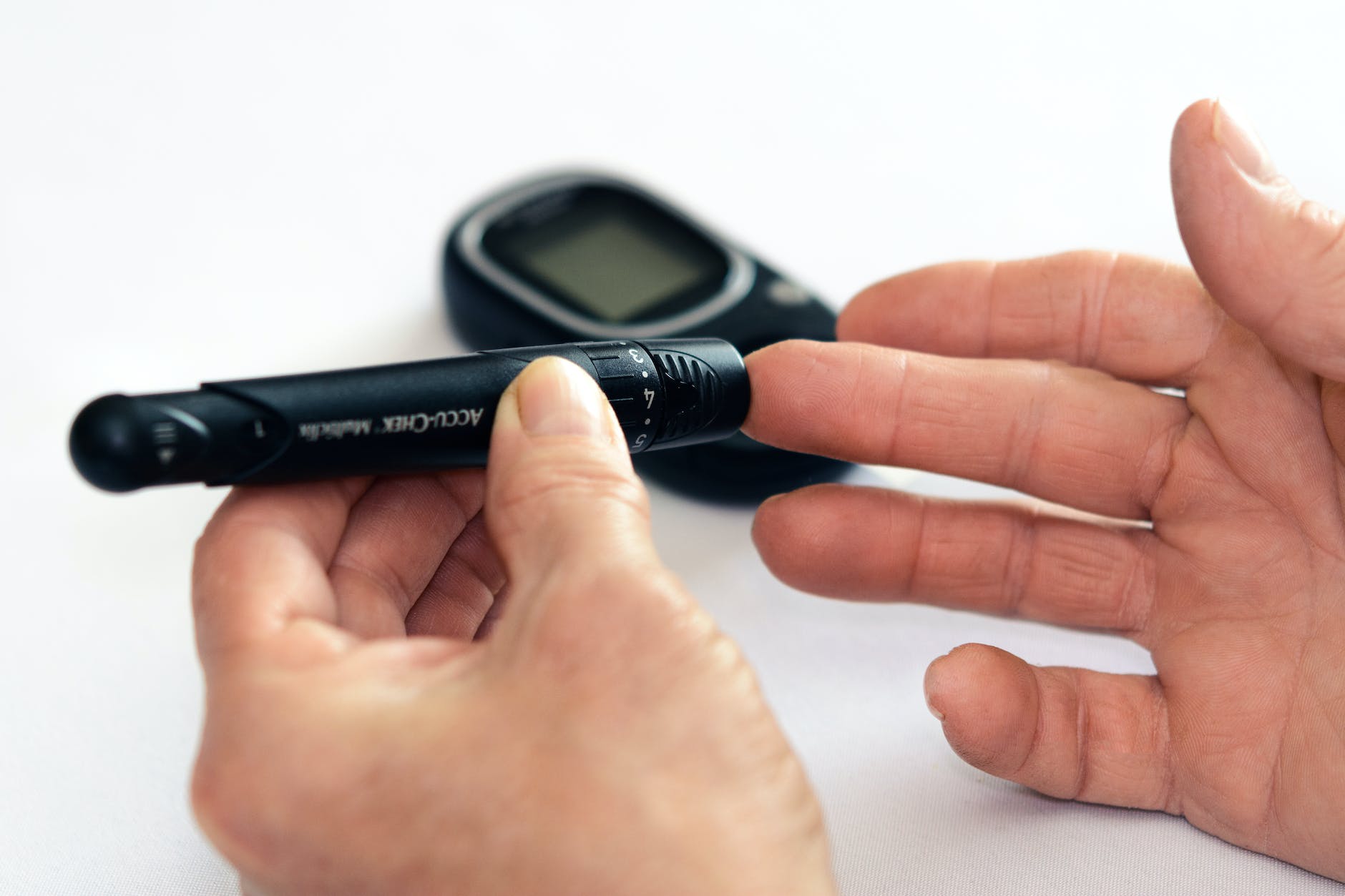
Navigating the complexities of diabetes management requires a multifaceted approach, and you may be intrigued by the role apple cider vinegar could play in this delicate balance. Let’s explore the potential of ACV in the realm of blood sugar control and diabetes management, always remembering to consult with healthcare professionals on your journey.
The Impact of ACV on Type 2 Diabetes
For those living with type 2 diabetes, managing blood sugar is a daily task. ACV has been spotlighted for its potential to assist in this crucial aspect of diabetes care. Research indicates that ACV may have a favorable effect on blood glucose levels. A study published in the journal ‘Diabetes Care’ found that vinegar could improve insulin sensitivity to a high-carbohydrate meal in subjects with insulin resistance or type 2 diabetes. The acetic acid in ACV is thought to slow down the conversion of complex carbohydrates into sugar in the bloodstream, providing a more gradual release and preventing sudden spikes in blood sugar levels.
How ACV Helps Manage Blood Sugar Levels
The mechanism by which ACV aids in blood sugar management is twofold. Firstly, it’s believed to influence the body’s response to insulin, the hormone responsible for transporting sugar from the blood into the tissues where it can be used for energy. Secondly, ACV may slow gastric emptying—the rate at which food leaves the stomach and enters the small intestine—thereby reducing blood sugar spikes after eating. This can be particularly beneficial after consuming a high-carbohydrate meal, a common challenge for individuals monitoring their blood sugar.
How to Incorporate ACV into Your Diet

Embarking on a journey to integrate apple cider vinegar (ACV) into your diet for weight loss is a venture that beckons both curiosity and caution. You’ve heard the buzz around ACV’s potential benefits, but how can you weave it into your daily routine effectively and safely? Let’s dive into the practical ways you can make ACV a part of your health regimen.
Safe and Effective Ways to Consume Apple Cider Vinegar
Firstly, it’s paramount to understand that ACV is potent and should be consumed in moderation. The recommended approach is to start with small doses. Try adding one to two tablespoons of ACV to a large glass of water before meals. This method can aid digestion and potentially lead to a more satiated feeling, which might help curb overeating. If you’re new to ACV, begin with a smaller amount to assess your body’s tolerance.
Delicious and Nutritious ACV Recipes for Weight Loss
ACV doesn’t have to be a solo act; it can be incorporated into recipes to enhance flavor while reaping its potential health benefits. Consider these simple yet tasty options:
- Salad Dressings: Swap out commercial dressings for a homemade concoction of ACV, olive oil, mustard, and herbs.
- Marinades: Tenderize and infuse meats with flavor by using ACV in your marinade mix.
- Smoothies: Add a zesty kick to your fruit or green smoothies with a splash of ACV.
- Soda Water: For those who naturally enjoy the taste of ACV, consider mixing a tablespoon with a small glass of sparkling water. You can even spice it up with a dash of lemon or lime juice and fresh ginger for an invigorating, pre-meal drink.
Tips for Getting the Most Out of ACV
- Consistency is Key: Make ACV a regular part of your diet for the best chance at seeing results.
- Pair with a Balanced Diet: ACV is not a magic potion. Combine it with a healthy diet rich in vegetables, fruits, lean proteins, and whole grains.
- Stay Hydrated: Drinking plenty of water throughout the day, especially when consuming ACV, helps maintain hydration and supports overall health.
Incorporating ACV into your diet should be a thoughtful process, one that complements your nutritional goals and personal taste preferences. As you experiment with ACV, listen to your body and adjust accordingly. With these tips and ideas, you’re well on your way to making ACV a valuable ally in your quest for health and wellness.
The Health Benefits Beyond Weight Loss and the Role ACV Can Play
When you consider apple cider vinegar (ACV), its potential to assist in weight loss might spring to mind first. However, this natural elixir’s virtues extend far beyond the realm of weight management. Let’s explore the tapestry of benefits that ACV brings to the table, painting a picture of overall health and wellness that may surprise and inspire you.
ACV’s Role in Overall Health and Wellness
ACV, a staple in the pantry of health enthusiasts, is lauded for its versatility. But what makes it such a cherished ingredient in the health community? The answer lies in its rich composition, boasting acetic acid, vitamins, minerals, and a host of other beneficial compounds. These elements contribute to a variety of bodily functions and processes, suggesting that ACV could play a role in everything from enhancing digestive health to boosting immune function.
Additional Benefits of ACV Backed by Science
- Digestive Support: ACV can increase the acidity of your stomach, which may help with the digestion of protein-rich foods.
- Antimicrobial Properties: The acidic nature of ACV gives it the ability to fight off harmful bacteria, potentially aiding in food preservation and improving skin health.
- Blood Sugar Management: Regular consumption of ACV has been linked to stabilized blood sugar levels, which is beneficial not just for those managing diabetes, but for anyone looking to maintain energy levels and reduce cravings.
Precautions and Potential Side Effects
While ACV is natural and generally considered safe, it’s not without its caveats. Due to its acidity, overconsumption can lead to dental erosion or upset stomach. It’s also important to note that ACV should be diluted before consumption and not taken in excess. As with any supplement or dietary change, it’s wise to consult with a healthcare professional, especially if you have underlying health conditions or are taking medications that could interact with ACV.
Incorporating ACV into your daily routine could be more than just a weight loss strategy—it might be a step towards embracing a more holistic approach to your health. With its array of potential benefits and its natural, inexpensive profile, ACV stands out as a multifaceted ally in your quest for wellness.
Comparing ACV to Other Weight Loss Methods

In your journey to a slimmer, healthier you, you’ve likely encountered a myriad of weight loss methods. From the latest diet trends to the timeless advice of ‘eat less, move more,’ the options are as varied as they are numerous. But how does apple cider vinegar (ACV) stack up against these other methods? Let’s delve into the comparison, keeping in mind that ACV is not a magic potion but a potentially beneficial addition to a balanced lifestyle.
ACV vs. Other Natural Weight Loss Remedies
Nature has provided us with a bounty of remedies that claim to help with weight loss. Green tea, for instance, is revered for its metabolism-boosting catechins, while fiber-rich foods are known to keep us fuller for longer. ACV, in this natural lineup, is particularly noted for its potential to help stabilize blood sugar levels, which can reduce cravings and prevent overeating. Unlike some natural remedies that are shrouded in mystery, ACV has been the subject of numerous studies that lend credence to its weight loss claims.
The Cost-Effectiveness of ACV as a Weight Loss Aid
When it comes to weight loss, the cost can sometimes be a significant barrier. Gym memberships, special diet plans, and weight loss supplements can quickly add up. ACV, on the other hand, is relatively inexpensive and widely available. A bottle of high-quality ACV can last for several weeks and be incorporated into various meals, making it a cost-effective component of your weight loss toolkit.
How ACV Stands Out from Commercial Weight Loss Products
- Natural Composition: ACV is free from synthetic additives and preservatives, making it a clean, natural option.
- Versatility: ACV can be used in dressings, marinades, or simply mixed with water, offering a variety of ways to enjoy its benefits.
- Supportive Research: There is a growing body of research suggesting that ACV can support weight loss efforts, particularly by aiding in blood sugar control and satiety.
In comparing ACV to other weight loss methods, it’s important to remember that no single solution is a cure-all. Weight loss is a complex process that involves a combination of diet, exercise, and lifestyle adjustments. However, ACV has unique properties that may enhance these efforts. Its natural ability to complement a healthy diet, its cost-effectiveness, and its support by scientific research make it a standout choice for those looking to lose weight without breaking the bank or resorting to unproven fads.
Other Ways to Manage Your Weight
One of the great things about apple cider vinegar is that you can use it alone or in conjunction with other weight loss initiatives, including diet and exercise. If you’re interested in controling your weight through healthy, frugal, and natural methods, you may be interested in learning more about these methods:
- Introducing a smart watch as a weight loss tool
- Heart healthy diets
- The benefits of coconut oil
- Vibration plates for toning, weight loss, and lymphatic massage
- Adding water to flush out fats
Other Foods Besides ACV That Can Lower Blood Sugar and Aid Weight Loss

As you embark on this journey, armed with the knowledge of apple cider vinegar’s (ACV’s) benefits for weight loss and blood sugar stabilization, it’s crucial to recognize that ACV isn’t the lone soldier in the battle against the bulge and blood sugar spikes. A platoon of foods stands ready, each with its own unique way of supporting your health goals. Let’s explore some of these allies in your quest for a healthier you.
Foods That Complement ACV in Blood Sugar Management
While ACV is a star player, incorporating a variety of foods that are known to stabilize blood sugar is key to maintaining overall health and facilitating weight loss. Foods high in fiber, such as legumes, whole grains, and leafy greens, slow down the absorption of sugar into your bloodstream, preventing those notorious spikes and crashes. Cinnamon, with its sweet and spicy notes, not only adds flavor without the calories but also has been shown to lower blood sugar levels.
Nutrient-Dense Foods for Satiety and Weight Management
To aid in weight loss, it’s not just about eating less but about eating smart. Foods rich in protein and healthy fats, like nuts, seeds, and avocados, provide a sense of fullness and satisfaction that can curb the urge to indulge in less healthy options. Berries, with their high fiber content and sweet taste, can satisfy sugar cravings while contributing minimal calories.
Power Foods for Your Weight Loss Arsenal
- Chia Seeds: Packed with fiber and omega-3 fatty acids, they expand in your stomach, helping you feel full longer.
- Green Tea: Contains catechins and caffeine, which can help speed up metabolism and fat burning.
- Lentils: A great source of plant-based protein and fiber, lentils can promote a feeling of fullness and support stable blood sugar levels.
- Broccoli: This cruciferous vegetable is not only high in fiber but also contains sulforaphane, which has potential in managing blood sugar levels.
- Almonds: These nuts are a good source of monounsaturated fats, protein, and fiber, all of which contribute to satiety and help in controlling weight.
- Quinoa: A complete protein and a fantastic source of fiber, quinoa helps in feeling full and stabilizing blood sugar levels.
- Oats: Known for their beta-glucan fiber, oats can improve insulin sensitivity and help in maintaining a steady blood sugar level.
- Greek Yogurt: With its high protein content and probiotics, Greek yogurt can aid in weight control and provide a balanced gut microbiome, which is crucial for metabolic health.
- Avocado: Rich in healthy fats and fiber, avocados can promote satiety and have been shown to maintain healthy blood sugar levels.
- Blueberries: These berries are not only low in calories but also high in antioxidants and fiber, which may aid in weight loss and improving insulin sensitivity.
- Spinach: This leafy green is low in carbohydrates and calories but high in fiber and nutrients, making it ideal for blood sugar management and weight control.
Incorporating these foods into your diet can create a synergistic effect with ACV, enhancing your ability to manage blood sugar and support weight loss. Remember, the key to success is variety and balance. By combining ACV with these blood sugar-friendly foods, you’re not just on a diet; you’re adopting a sustainable, healthy lifestyle that can lead to lasting change.
Precautions and Best Practices
When you embark on the journey of integrating apple cider vinegar (ACV) into your diet for weight loss, it’s akin to planting a garden. You must do so thoughtfully and carefully to reap the best harvest. ACV, while natural and inexpensive, is not without its caveats. Here, we’ll navigate through the essential precautions and best practices to ensure your experience with ACV is both safe and beneficial.
Understanding ACV’s Acidity
Firstly, let’s address the elephant in the room: ACV is highly acidic. This means direct consumption without dilution can be harsh on your esophagus and potentially damage tooth enamel. Always dilute ACV with water—typically a ratio of one to two tablespoons to a cup of water is suggested. Consider using a straw to minimize contact with your teeth and rinse your mouth with water after drinking.
Starting Slowly
Your body’s introduction to ACV should be a gentle one. Begin with a small amount to assess your body’s response. Gradually increase the quantity over time, allowing your system to adapt. This slow introduction helps mitigate potential digestive discomfort that some individuals may experience.
Timing Matters
Timing is everything, and this holds true for ACV consumption. Drinking ACV right before meals may help in stabilizing blood sugar levels, but it’s crucial to listen to your body’s signals. If you encounter any discomfort, adjusting the timing may be necessary.
Best Practices for ACV Consumption
- Dilution is Key: Always dilute ACV in water to protect your teeth and digestive tract.
- Consistency Over Quantity: It’s better to consume a consistent, moderate amount of ACV daily than to overdo it sporadically.
- Pair with Meals: Consuming ACV with meals can aid digestion and blood sugar stabilization.
When to Avoid ACV
Certain conditions warrant caution with ACV. If you have gastroparesis, a common condition in people with diabetes, ACV may delay stomach emptying and exacerbate your symptoms. Individuals with a history of ulcers or acid reflux should consult with a healthcare provider before adding ACV to their regimen.
Potential Drug Interactions
ACV may interact with different medications, including diuretics, laxatives, and drugs for diabetes and heart disease. It’s imperative to discuss with your doctor if ACV is appropriate for you, especially if you’re on medication.
Recognizing Allergic Reactions
While rare, allergic reactions to ACV can occur. Symptoms may include difficulty breathing, hives, or other skin reactions. If you suspect an allergic reaction, discontinue use immediately and seek medical attention.
When to Consult a Healthcare Professional
- Pre-Existing Conditions: If you have any chronic health conditions or are pregnant or breastfeeding.
- Medication Interference: Before starting ACV, if you’re on any medications.
- Adverse Reactions: If you experience any negative symptoms after consuming ACV.
While ACV can be a valuable addition to a health-conscious lifestyle, it’s not a panacea. It should be used as a complement to a balanced diet and healthy living practices. By adhering to these precautions and best practices, you can safely enjoy the potential benefits of ACV for weight loss and overall well-being. Remember, the goal is to enhance your health, not compromise it. So, proceed with care, and let ACV be the natural ally it’s meant to be on your journey to health and beauty.
How to Choose the Right ACV
In the bustling aisles of your local supermarket, you stand before an array of apple cider vinegar (ACV) bottles, each label vying for your attention. But not all ACV is created equal, especially when you’re eyeing it as a partner in your weight loss journey. Here’s how to discern the potion that promises to aid your health from mere pretenders.
The Importance of Quality in ACV Selection
Quality is paramount. The right ACV is not just a condiment; it’s a health supplement. High-quality ACV retains the beneficial elements that contribute to its reputed health benefits, including weight loss. It’s the difference between a product that’s merely sour and one that’s a powerhouse of health.
Understanding Labels and What to Look For
When you’re perusing the labels, there are a few terms and indicators that should jump out at you:
- “With the Mother”: This phrase indicates that the ACV contains the beneficial bacteria, enzymes, and proteins that form during fermentation.
- Organic: Organic ACV means it’s made from apples that were grown without synthetic fertilizers or pesticides, keeping your ACV as natural as possible.
- Unfiltered and Unpasteurized: These terms suggest that the ACV hasn’t been stripped of its nutritional content through processing.
Key Indicators of High-Quality ACV
- Cloudiness: Good ACV should have a murky appearance, indicating the presence of ‘the mother’.
- Acidity Level: The standard acidity level for ACV is around 5% acidity, which is sufficient for health benefits without being too harsh.
- Packaging: Look for ACV in glass bottles rather than plastic to avoid potential contamination from plastic leaching.
The Taste Test
While not scientific, the taste of ACV can be a telltale sign of its quality. High-quality ACV should have a complex flavor profile—tart, but with a subtle sweetness underlying the robust vinegar taste. If it’s harsh and one-dimensional, it’s likely over-processed.
Certification Marks
Certifications can be your guide. Look for seals from reputable organizations that certify organic and non-GMO products. These certifications ensure that the product you’re getting adheres to certain standards.
The Company Behind the ACV
Do a bit of digging into the brand. Companies that specialize in natural and health products and have a transparent process are more likely to produce a high-quality ACV. “Healthy, Gorgeous, & Cheap” (HGC) values transparency and quality, aligning with the ethos of providing top-notch, affordable health products.
Price Point
While you’re on the hunt for inexpensive options, remember that with ACV, you often get what you pay for. Extremely cheap options may be indicative of poor quality. Invest in your health by choosing a reasonably priced, high-quality ACV.
Choosing the right ACV is a critical step in ensuring you’re getting the most out of its weight loss and health benefits. It’s not just about adding a tangy kick to your salad—it’s about enriching your body with a natural, health-promoting elixir. So, take your time, read the labels, and select the ACV that will truly complement your health regimen.
Recommended ACV Product
Our recommended product is Bragg’s Organic Apple Cider Vinegar. It includes the mother, and the price is right. At the time of writing, the product was under $15 for a half gallon, or 64 ounces. For this price, you have no excuse not to try adding ACV before each meal to help stabilize your blood sugar and encourage weight loss. For easy access, we’ve linked directly to the product on Amazon.
This product has over 30,000 reviews and an average rating of 4.6 out of 5 stars.
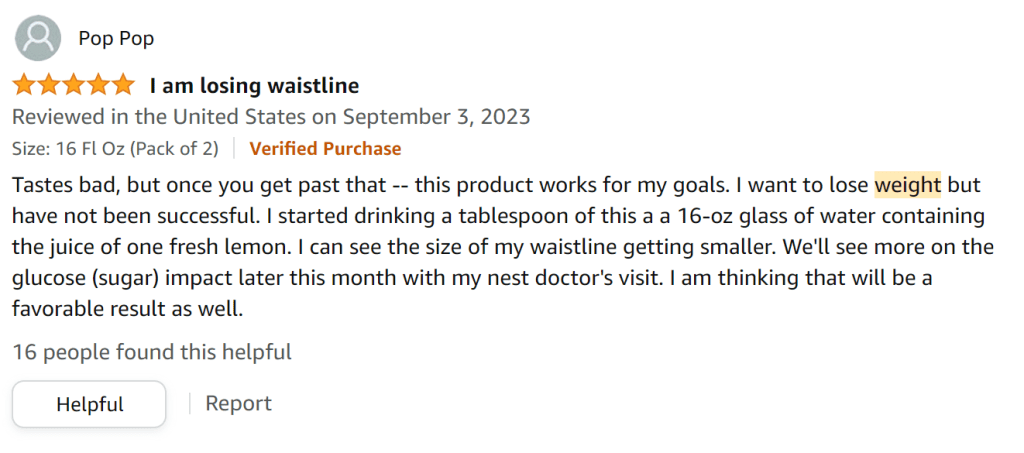
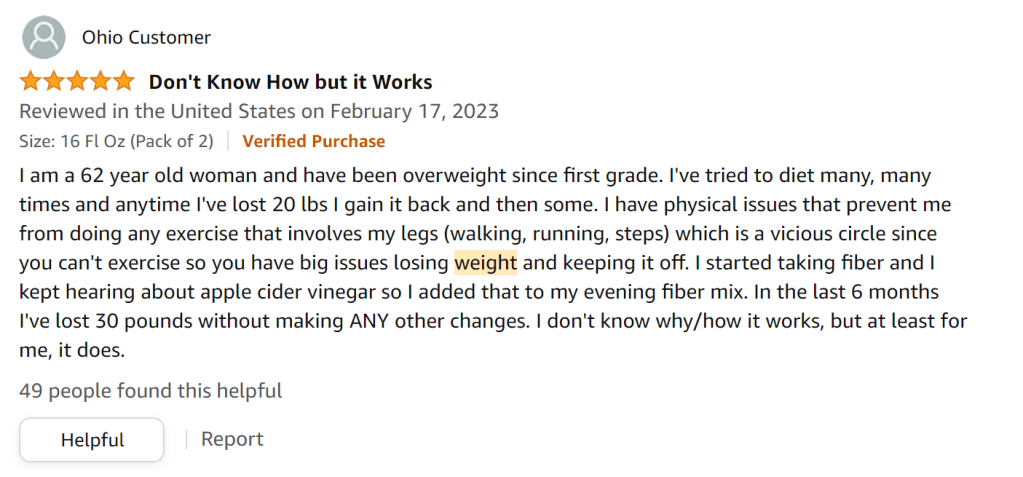
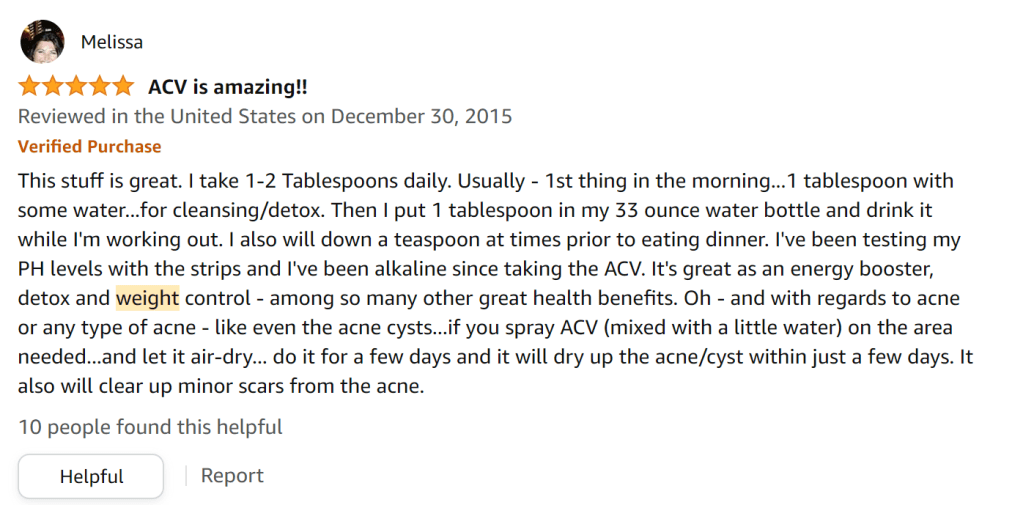
Reviews From Satisfied Customers
The following are reviews from happy customers using Bragg’s Organic Apple Cider Vinegar.























Frequently Asked Questions About ACV for Weight Loss
As you embark on your journey with apple cider vinegar (ACV) for weight loss, questions are bound to arise. Let’s address some of the most common inquiries, providing you with a well-rounded understanding of how ACV fits into your weight management plan.
Does ACV Really Help with Weight Loss?
Apple cider vinegar has gained a reputation for being a helpful ally in the weight loss journey. It contains acetic acid, which studies have indicated may reduce fat storage, increase fat burning, and reduce appetite. However, it’s important to note that ACV should be part of a holistic approach to weight loss, including a balanced diet and regular exercise. While it can promote a feeling of fullness and support metabolic health, it’s not a standalone solution.
How Much ACV Should I Take Daily for Weight Loss?
For those looking to incorporate ACV into their weight loss regimen, a common dosage is 1-2 tablespoons (15-30 ml) per day, mixed with water. It’s wise to start with a smaller amount to assess your body’s tolerance. Diluting ACV in water is crucial to protect your teeth from enamel erosion and to prevent potential irritation to your digestive system.
Can ACV Affect Blood Sugar Levels?
ACV is known for its ability to help stabilize blood sugar levels, which is not only beneficial for weight management but also for diabetes control. By improving insulin sensitivity and lowering blood sugar responses after meals, ACV can be a valuable component of a dietary strategy for managing blood sugar levels. However, it’s essential for individuals on diabetes medications to consult with their healthcare provider before incorporating ACV into their diet.
What Are the Best Times to Take ACV?
Taking ACV before meals is often recommended to maximize its potential benefits, such as reducing appetite and stabilizing blood sugar levels. Some people also prefer to consume it in the morning to help activate the digestive system. The timing can be flexible, as long as it’s consistent and in line with your dietary habits and goals.
Can ACV Help with Cravings?
Many individuals report that ACV helps in reducing cravings, especially for sweets. This could be due to its effect on blood sugar levels, as stabilizing these levels can help manage the desire for sugary snacks. While the evidence is largely anecdotal, it’s a safe and natural approach to try for those struggling with cravings.
Are There Any Side Effects of Taking ACV?
While ACV is natural and generally safe for consumption, it can cause side effects if not consumed properly. These include tooth enamel erosion, throat irritation, and digestive discomfort. To minimize these risks, always dilute ACV in water, consider drinking it with a straw, and start with a small dose to monitor your body’s reaction.
How Do I Incorporate ACV into My Diet?
Incorporating ACV into your diet can be as simple as mixing it with water or as creative as using it in various recipes. It works well as a tangy addition to salad dressings, marinades, and even some soups. The key is to ensure it’s adequately diluted and to start with small quantities to allow your body to adjust.
What Should I Look for When Buying ACV?
When shopping for ACV, look for options that are organic, unfiltered, and contain ‘the mother’. These characteristics indicate a higher quality product that retains more of the beneficial enzymes and bacteria that contribute to its health properties.
Can Everyone Take ACV?
ACV is not suitable for everyone. Individuals with conditions like gastroparesis, sensitive teeth, or those who are on certain medications should exercise caution. It’s always best to consult with a healthcare provider before adding ACV to your diet, especially if you have underlying health concerns.
How Long Before I See Results from ACV?
The timeline for seeing results from incorporating ACV into your diet for weight loss can vary widely. Some may notice changes within a few weeks, while for others, it may take longer. Consistency and patience, along with maintaining other healthy habits, are key to achieving and noticing the benefits of ACV.
Embracing ACV: A Natural Conclusion to Your Health and Beauty Journey
As we draw the curtains on our comprehensive exploration of apple cider vinegar (ACV) and its role in weight loss, let’s encapsulate the essence of our findings. ACV, a humble kitchen staple, has transcended its culinary confines to emerge as a beacon of health, guiding us through the murky waters of weight management. It’s not just about shedding pounds; it’s about embracing a lifestyle that harmonizes with nature’s offerings, fostering a symbiotic relationship between health and beauty.
In the bustling aisles of natural remedies, ACV stands tall, not as a panacea, but as a potent ally. Its ability to potentially stabilize blood sugar levels, curb cravings, and even contribute to a modest waistline reduction is grounded in scientific curiosity and ancient wisdom alike. Yet, it’s imperative to remember that ACV is not a silver bullet. It shines brightest when part of a constellation of healthy habits—balanced eating, regular physical activity, and mindful living.
“Healthy, Gorgeous, & Cheap” (HGC) has always championed the philosophy that beauty and health need not be a costly endeavor. ACV embodies this ethos—effective, natural, and inexpensive. It’s a testament to the brand’s mission to demystify health and beauty, making them accessible to all. As you embark on your journey with ACV, let it be a step towards a more holistic approach to your well-being.
In closing, we invite you to reflect on your path to wellness. Whether ACV becomes a staple in your pantry or just a stepping stone in your health odyssey, may it inspire you to make choices that resonate with your body’s needs. Remember, the journey to health is personal and ever-evolving. Listen to your body, consult with healthcare professionals when in doubt, and above all, cherish the process of becoming the healthiest version of yourself.
We hope this article has illuminated the path to understanding how ACV can fit into your life. Should you have further questions, remember that knowledge is just a conversation away. Engage with experts, delve into research, and be an informed advocate for your health. And as always, HGC is here to guide you through the landscape of natural beauty and wellness, where being healthy and gorgeous doesn’t have to be expensive.
 Healthy, Gorgeous, & Cheap